Crop planning for Bangladesh
Plan the seasonbefore the soilpays for it.
Turn local conditions, a working budget, and one honest conversation into a crop choice you can explain—and a season plan you can carry.
Built for field decisions, not dashboards
Planning signals
Start with the field
AgriSense planning flow
Crop fit → cost map → field calendar
7,761
unions mapped
16
forecast days
64
districts covered
2024
FRG grounding
How the field becomes a plan
A decision trail you can follow from first question to harvest.
The work stays legible: what you told us, what the conditions suggest, and how the final calendar was formed.
Seasonal route · one field
বর্ষা- 01
Tell us the field
Share the land, location, season, water access, and working budget in ordinary language.
- 02
Compare what fits
AgriSense weighs weather, timing, crop needs, and cost before it narrows the choice.
- 03
Carry the season
Leave with dates, inputs, expected costs, and a plan you can revisit as conditions change.
- 04
Know the numbers
Review input costs, expected revenue, and margin assumptions before committing the field.
- 05
Adjust with confidence
Return when weather, prices, or field conditions shift and refine the plan with the new context.
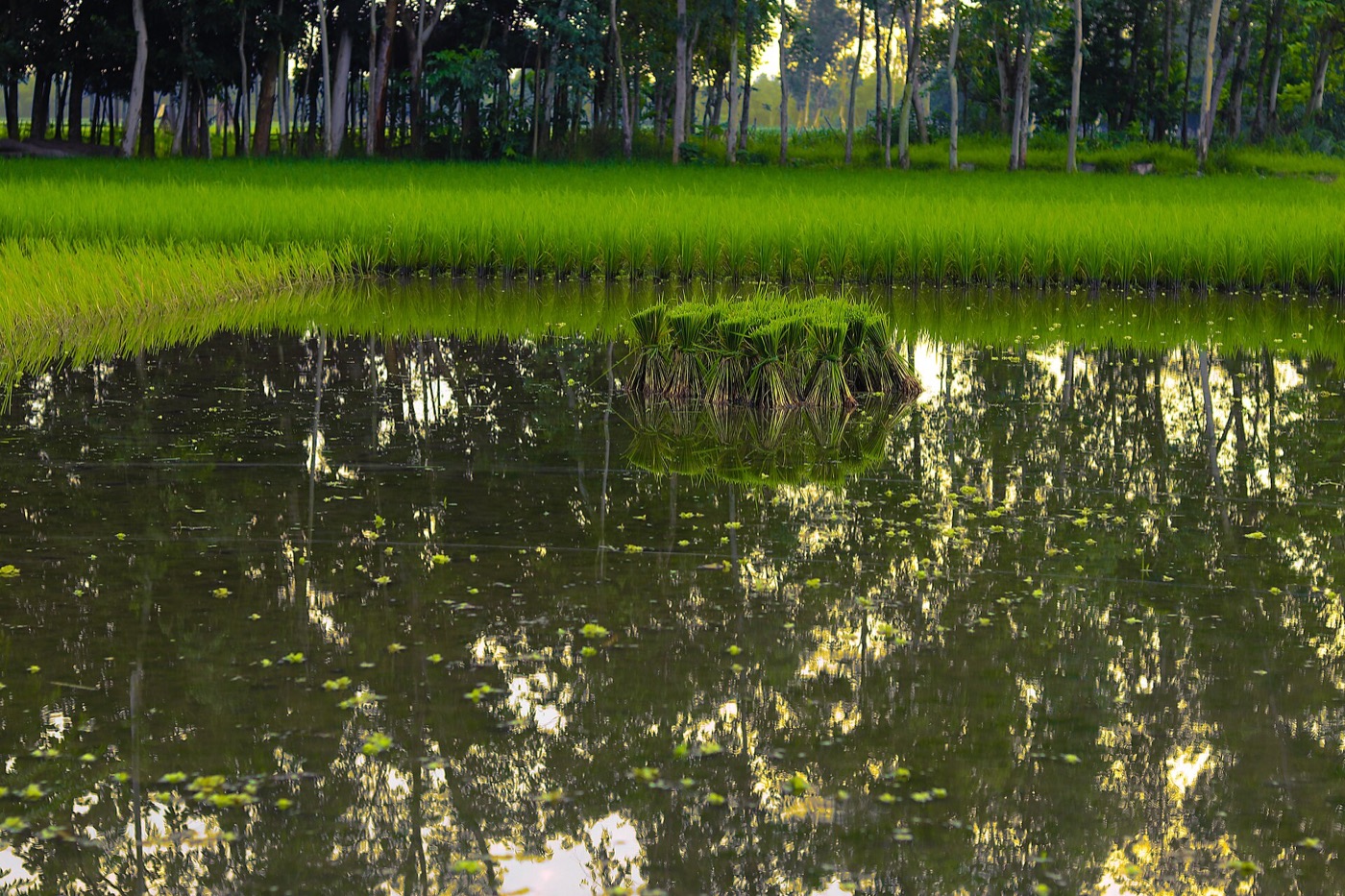
Rural Bangladesh · Photo: A S M Jobaer
The reason for the ledger
A field is never only an acreage.
Water, timing, cash, labour, and weather arrive together. AgriSense keeps those constraints in the same conversation so a promising crop does not become an impossible season.
Start with your own fieldInside the workspace
Four instruments. One agricultural decision.
Each instrument earns its place by helping you understand, compare, or act.
Field conversation
Ask, clarify, and revise without wrestling with a long form.
Cost ledger
See the assumptions behind revenue, input cost, and margin.
Weather context
Connect the plan to the conditions around your upazila.
Visible reasoning
Inspect the sources and tools used for the recommendation.
Your next season starts with one field note